Restoring repointing in period properties such as Georgian, Victorian, and Edwardian homes, in the UK is more than maintenance; it’s conserving architectural heritage and safeguarding structural integrity.
In this blog, we explore traditional brick repointing methods, highlight the importance of lime mortar, and showcase three distinct pointing styles: Tuck, Ribbon, and Weather‐Struck pointing.
Preserving Period Living: Why It Matters
Period properties were built with lime mortar and softer, breathable bricks, allowing moisture to escape naturally. Using hard modern cement can hinder this breathability, retain moisture, and even cause spalling or brick face loss over time.
For Georgian, Victorian, and Edwardian homes, matching the original materials and techniques is essential for long-term preservation.
Many restorers today emphasize that restoration must follow the original build, using the same mortar, tools, and joint finishes to protect heritage and maintain authenticity.
The Role of Lime Mortar in Pointing Restoration
Traditional lime mortar remains the go‑to choice for repointing historic façades. Highly porous and softer than cement, lime mortar allows walls to “breathe,” adapt to thermal movements, and self-heal small cracks over time.
Especially in Victorian properties built with yellow stock or soft red bricks, lime mortar prevents damage caused by trapped moisture and wrong material pairing.
Restoration contractors skilled in lime pointing ensure durability that can last 60+ years when correctly applied, far exceeding the lifespan of cement-based pointing.
Brick repointing Styles for Period Properties
Choosing the right pointing profile ensures both aesthetics and weather resistance. Let’s explore three styles ideal for heritage homes.
1. Tuck Pointing
- Visual: A trompe‑l’œil finish created by two layers of mortar, base mortar matching the brick colour and a thin contrasting ribbon (often white) scribed over the joint.
- Benefit: Simulates high-quality rubbed and gauged brickwork, ideal for Georgian façades or grand Edwardian houses.
- Challenge: Highly skilled craftsmanship, slow and costly, and rarely practiced today.
2. Ribbon (Half‑Tuck) Pointing
- Visual: Similar in concept to tuck pointing but simplified, wider contrasting ribbon and no lime putty, cut with a Frenchman knife for definition.
- Benefit: Offers heritage character at lower complexity than full tuck pointing.
- Best Used On: Victorian and Edwardian homes that originally featured less ornate brickwork.
3. Weather‑Struck Pointing
- Visual: Mortar sloping downward at top edge and slightly recessed at bottom edge; expertly trimmed for definition.
- Benefit: Efficient water shedding, structurally sound and historically accurate for Victorian façades.
- Complexity: Difficult to master, demands specialist tools and experience.
| Property Type | Preferred Mortar | Ideal Pointing Style | Why It Suits |
|---|---|---|---|
| Georgian | Lime putty mortar | Tuck pointing | Reflects formal symmetry and refined brick joints |
| Victorian | Lime mortar | Weather-struck | Provides good protection with heritage‑appropriate profile |
| Edwardian | Lime or ribbon | Ribbon/tuck | Balances decoration with practicality |
Restoration Steps for Repointing Period Homes
- Survey & analysis
Experts identify original mortar type, brick composition, and joint profiles. - Mortar preparation
On-site mixing of lime putty or hydraulic lime mortar tailored to match existing mortar in colour and breathability. - Removal of damaged mortar
Raking out old joints carefully to a depth twice the original joint width without damaging bricks. - Application of pointing style
Skilled tradespeople apply your chosen style—weather-struck requires angle and tool precision, tuck pointing demands layering and slicing. - Curing and aftercare
Lime mortar cures slowly and benefits from misting and cooler conditions initially to avoid cracking. - Final inspection
Look for uniform colour, alignment of joints, and surface finish consistency.
Common Restoration Challenges
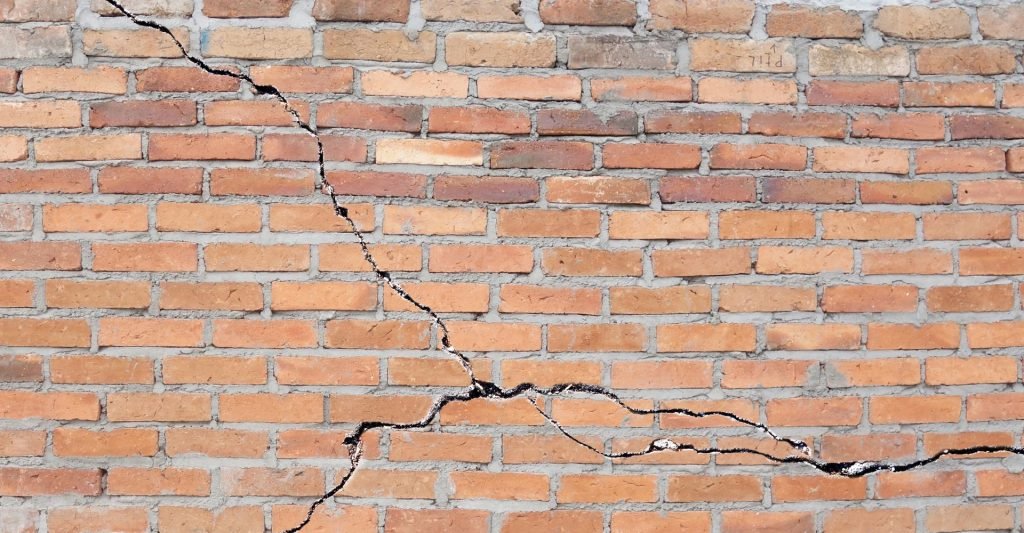
- Incorrect mortar – Cement mortar on heritage brickwork can trap moisture and cause damage. Many restoration experts warn: “never use cement on Victorian or older walls.”
- Loss of traditional skills – Styles like tuck pointing are now rare; few tradespeople have mastered the technique.
- Colour matching – Mortar that doesn’t match the brick leads to a jarring visual result. Proper formulation is essential.
Case Studies & Impact
Leading restoration firms like Bagnall Builders in Surrey have shown how restorative pointing revives period façades, transforming worn, cement-wrecked exteriors into historically faithful brickwork landmarks.
Mahon Brickwork and similar specialists argue that finely restored Georgian or Edwardian brick façades benefit not only homeowners but enhance broader neighbourhood heritage.
Why Choose Professional Restoration
A professional restoration ensures:
- Longevity – Correct lime pointing can last multiple decades without repeated repairs.
- Structural integrity – Allowing walls to breathe prevents long-term damage.
- Visual authenticity – Pointing blends in seamlessly with original brickwork.
- Conservation credentials – Ethical and historically sensitive repair.
Bycontrast, quick cement repointing might hide issues temporarily, but at the risk of greater structural damage.
Final Thoughts
Restoring a Georgian, Victorian, or Edwardian home is a journey in preservation, craftsmanship, and honouring original architecture.
Using lime mortar and traditional techniques like tuck pointing, ribbon pointing, and weather-struck finishing ensures that your home not only looks true to its era, but remains protected for decades to come.
If you’re planning any repointing work on a period property, choosing a specialist with conservation experience means you’re preserving both value and heritage, for your home and your community.
Summary & Recommendations
- Start with a trained specialist who understands traditional lime mortars.
- Match pointing styles to your property’s era and architecture.
- Avoid cement-based mortar on heritage buildings.
- Invest in skilled craftsmanship, especially for styles like tuck or weather-struck.
- Think long-term: correct restoration adds to the property’s lifespan, resale value, and historical provenance.
By respecting tradition and using proven techniques, you give your home the restoration it deserves.